
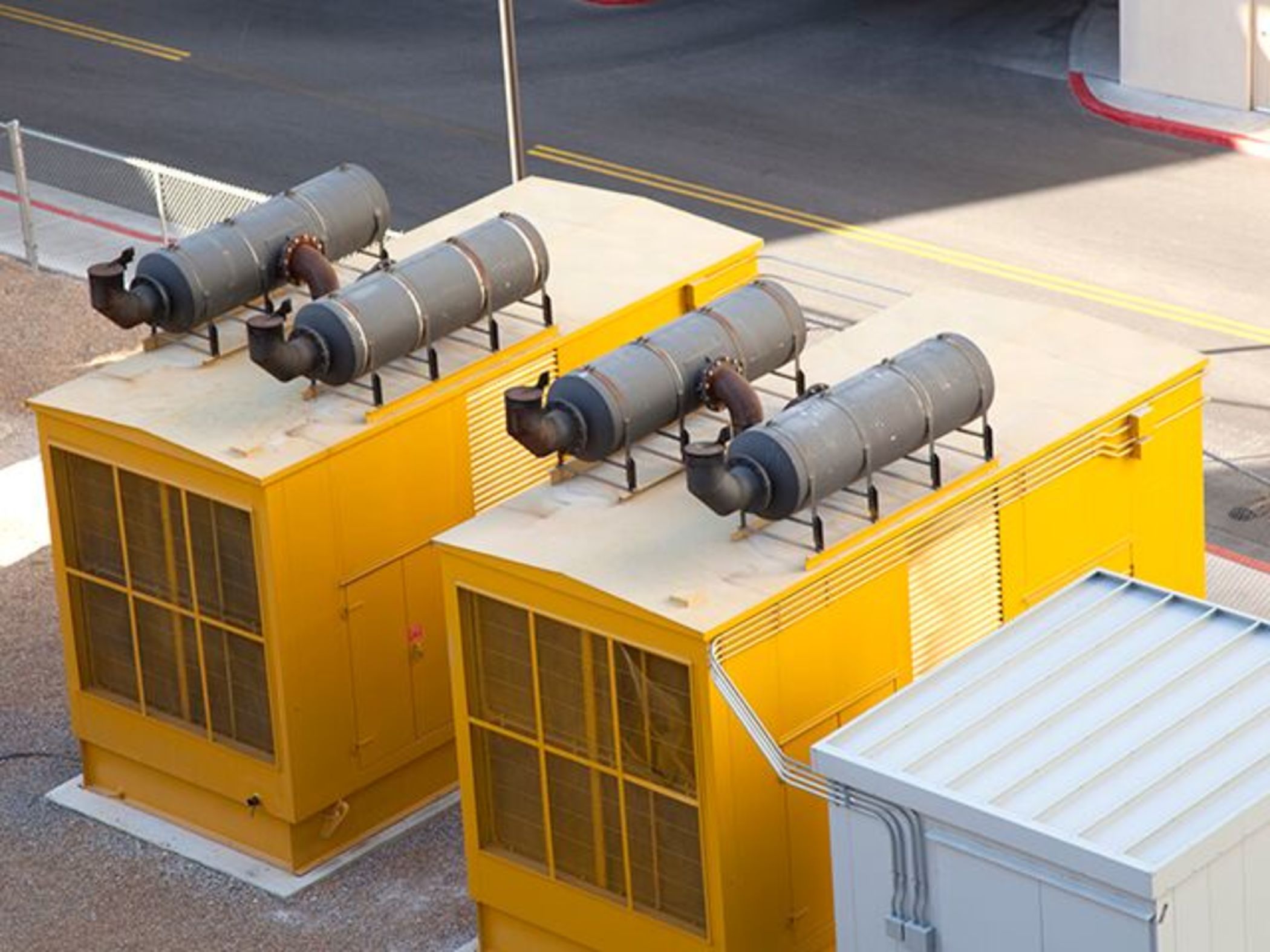
Generators provide crucial backup power in case of an outage or other emergency. To ensure safe and reliable operation, it's important to develop written standards for testing generators and related components that follow current regulations.
Generator testing standards
The National Fire Protection Association (NFPA) and The Joint Commission (healthcare facilities) have established requirements for the regular testing of diesel generators according to NFPA 110: Standard for Emergency and Standby Power Systems and the Environment of Care EC.02.05.07.
These organization both require the monthly testing on diesel backup generators. The test involves operation for 30 minutes under minimum rated load conditions (using ATS test switches or opening a breaker). The monthly test must occur at either the minimum diesel exhaust gas temperatures as recommended by the manufacturer, or at 30% minimum rated load. If that is not possible, then testing can be done at any available load but an additional annual test is also required. In that case, the generator must be annually loaded at 50% for 30 minutes and at 75% for 1 hour using supplemental loads. A fuel quality test shall also be performed at least annually using tests approved by ASTM standards.
Spark-ignited (natural gas or propane) generators must be tested monthly with available loads for 30 minutes or until the water temperature and oil pressure have stabilized. NFPA 110 also recommends transfer switch voltage measurements and infrared thermography of lug connections. It also requires exercising of circuit breakers (rated in excess of 600 volts for Level 1 system usage) every 6 months and testing under simulated overload every two years.
The Engine Manufacturers Association (EMA) recommends at least 100 operating hours each year for generators to ensure proper maintenance and testing. Some states don't allow generator testing on days with poor air quality. Check with your state's environmental office for testing restrictions and use the U.S. Environmental Protection Agency's (EPA) AIRNow website to determine current and forecast air quality. See EPA emissions standards for stationary engines, which may impact generator operation.
Operation and maintenance
Facility equipment doesn't last forever, and generators are no exception. How long will your system hold up? The answer will depend on the size, type and how often you operate it. Check manufacturer's guidelines for timelines regarding significant maintenance actions and component replacements.
Along with testing, routine maintenance is critical to ensure generator performance. Battery or fuel problems, leaking or faulty block heaters or oil leaks contribute to failure. A regular preventive maintenance program should include:
- Changing fuel, oil and air filters as needed (at least once per year)
- Inspecting hoses, engine belts and water pumps for damage
- Checking oil levels, fuel system floats and alarm devices
With a little attention to detail, you can make sure your facility has the backup power you need when you need it.